
Start a Lincolnville Visit With the Stories Behind the Neighborhood |
The Lincolnville Museum and Cultural Center offers a place to begin exploring Saint Augustine's Black history. |
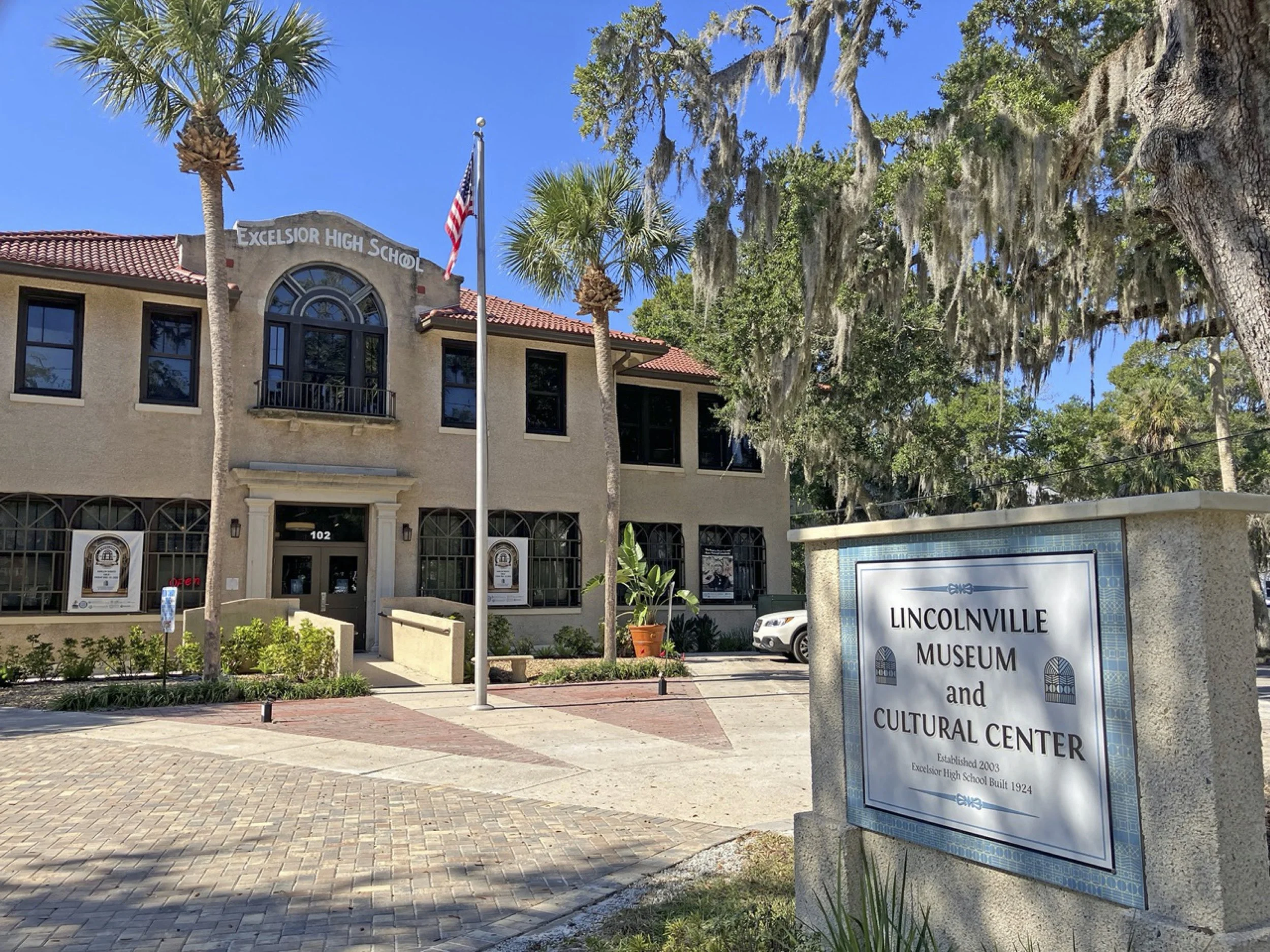 The Lincolnville Museum and Cultural Center, operated by Friends of Lincolnville, Inc a 501(c)3 non-profit organization,. |
A neighborhood can be familiar by name and still hold stories you have never taken the time to learn. For readers exploring Saint Augustine's Black history, the Lincolnville Museum and Cultural Center offers a starting point. Build a visit around listening and learning, then carry that context into how you look at the surrounding community.
The museum's official website places it at 102 M. L. King Avenue, St. Augustine, FL 32084 and describes its work preserving and interpreting the Black experience in Saint Augustine. It traces Lincolnville's beginnings to 1866, when free men and women established the community. That history makes the visit more than the leftover minutes of a sightseeing day.
Begin inside, then look outward
Our suggested approach is simple: start with the museum's interpretation before making a neighborhood walk the main activity. Exhibits can give names, events, and relationships to places you might otherwise pass without understanding. Ask what current material would be most useful for the interests that brought you there.
If you have a particular question, say so. You might be interested in community life, local civil-rights history, or how a museum preserves the stories entrusted to it. Staff may be able to point you toward relevant interpretation or further reading. Don't assume every historical theme is covered in a scheduled tour without checking.
Leave room for difficult history
Meaningful local coverage includes subjects that deserve care, not just cheerful discoveries. Give yourself permission to pause, read, and think. A museum visit can raise questions rather than settle them, and a thoughtful follow-up means seeking reliable material instead of filling gaps with an appealing assumption.
For families, choose a pace that allows conversation. Ask younger visitors what they noticed, and separate what an exhibit says from your own interpretation. That distinction can make discussion more useful without turning the outing into a quiz or expecting everyone to respond in the same way.
Respect a living neighborhood
If you explore nearby afterward, remember that a neighborhood is more than an attraction. Stay on public routes, respect homes and businesses, and ask permission before photographing people. A good local discovery should leave room for the people who live and work in the places we recommend.
You do not need an exhaustive route for a worthwhile visit. Choose a manageable area, keep time for the museum and avoid turning a walk into a race to photograph every marker. If you want a guided experience, confirm the provider's actual route, schedule and availability separately.
Make returning part of the plan
For seasoned residents, the museum can offer a way to deepen knowledge of a community they have known for years. Newly arrived neighbors can use it to learn their new hometown. Visitors may find that it broadens a trip previously centered on architecture or colonial landmarks.
The museum currently lists Sunday and Monday hours of 1–4:30 PM, and Tuesday through Saturday hours of 10:30 AM–4:30 PM. Check the official site before choosing your day, and contact the museum about admission and access details that matter to your group. Special events should be verified separately.
|
 <p style="font-family:Tahoma,Arial,sans-serif;font-size:10px;">Treasury Street in 1886. University of Florida Digital Collections, via Governor’s House Library. Historical photograph.</p> |
The building is part of the story
The museum's About page identifies its home as the historic Excelsior School, the first public Black high school in St. Johns County, opened in 1925. It explains that former students and community members later helped save the building from demolition. That gives the address more meaning than a convenient place to house exhibits: the building itself connects education, community memory, and preservation.
Before entering, think about a question that connection raises. What did access to education mean for families in this community? How do former students help preserve the history of a school? Let the museum's account provide the evidence rather than inventing a particular classroom scene or assuming all students had the same experience. A building can invite empathy without requiring us to supply undocumented details about the people who used it.
Distinguish a document from an interpretation
When exploring historical material, notice how an exhibit identifies its sources. A photograph, a recorded recollection, an object, and an explanatory label can contribute different kinds of evidence. Ask what is known about the date or origin of something that interests you. You do not have to become an archivist to appreciate the distinction; simply noticing how a story is supported can make the visit more thoughtful and your later description more accurate.
If an exhibit includes a personal account, give that person's words and circumstances their own space. Avoid treating one recollection as proof that every resident had an identical experience. Likewise, a photograph shows a moment, not everything that happened around it. This is a useful habit for adults and younger visitors alike: describe what you can see, identify what the interpretation explains, and keep any additional questions open for further reading.
Choose a practical visit window
The museum lists adult admission at $10, with $5 admission for visitors 17 and under and college students with valid identification. Its About page also lists a military and senior discount. Check those categories directly when planning, especially if a group has different eligibility or access needs. A published price is useful for setting a budget, but current arrangements should be confirmed through the museum rather than through an old recommendation.
Give the experience a deliberate place in your day. If you arrive late in the afternoon, consider whether you will have the time you want before closing. Someone interested in reading closely may prefer a different pace from a person making an introductory visit. Ask about group visits or specific programs beforehand instead of expecting an unscheduled guided presentation merely because several people have arrived together.
Connect the visit to ongoing learning
Choose one subject to follow after leaving: education, a particular community institution, preservation, or a historical event identified by the museum. Record the correct name and a source you can consult. This helps turn a powerful impression into a useful next step. You may decide to return with a better question, read more before exploring the neighborhood, or invite someone whose interests overlap with what you encountered.
When sharing a recommendation with Coast & Home, tell us what you learned and which part came from the museum's interpretation. If you want to share another person's family story, obtain their permission and preserve their wording accurately. We can build future coverage around the institutions and people who keep local history available, while respecting that community memory belongs to the people whose lives and work give it meaning.
What story or exhibit led you to keep learning after a local museum visit? We welcome recommendations grounded in what you actually experienced. With permission, a reader's thoughtful account could help another neighbor give Lincolnville's history a more considered place on their discovery list.
|
Keep exploring with usHave a firsthand tip or a correction for this topic? Share the specific detail and its source so another First Coast neighbor can benefit.
Talk soon,
Bill Marks
|
Quote of the Day |
“Nothing great was ever achieved without enthusiasm.”
American essayist and lecturer (1803–1882). Emerson visited St. Augustine in 1827. This quotation is from his essay “Circles”; it is not represented as something written or spoken here. |
0 Comments
Join the conversation
Be the first to comment
Share your thoughts above.