
Moving to St. Augustine: 12 Questions Everyone Asks Before Choosing an Address |
The answers depend less on a St. Augustine mailing label than on the exact home, jurisdiction, daily route, and household you are bringing with you. |
 |
Start with the address, then imagine your weekMoving to St. Augustine can mean a walkable historic neighborhood, an island home, or a county community well beyond downtown. The right choice depends on your budget, daily destinations, household needs and tolerance for upkeep. Begin with twelve questions, then answer them for each serious address. A weekend here can tell you what you enjoy; a careful comparison tells you whether everyday life will work. Treat unanswered questions as research tasks before committing.
1. What will it really cost to live here?Build a monthly budget that includes housing, utilities, transportation, insurance, maintenance and any association or district charges. Renters should ask about deposits, parking, pet charges and renewal terms. Buyers need property-specific estimates rather than a seller’s monthly payment. Compare homes using the same categories so a lower advertised price does not hide a higher continuing cost. Leave room for repairs and for the activities that made you want to move here.
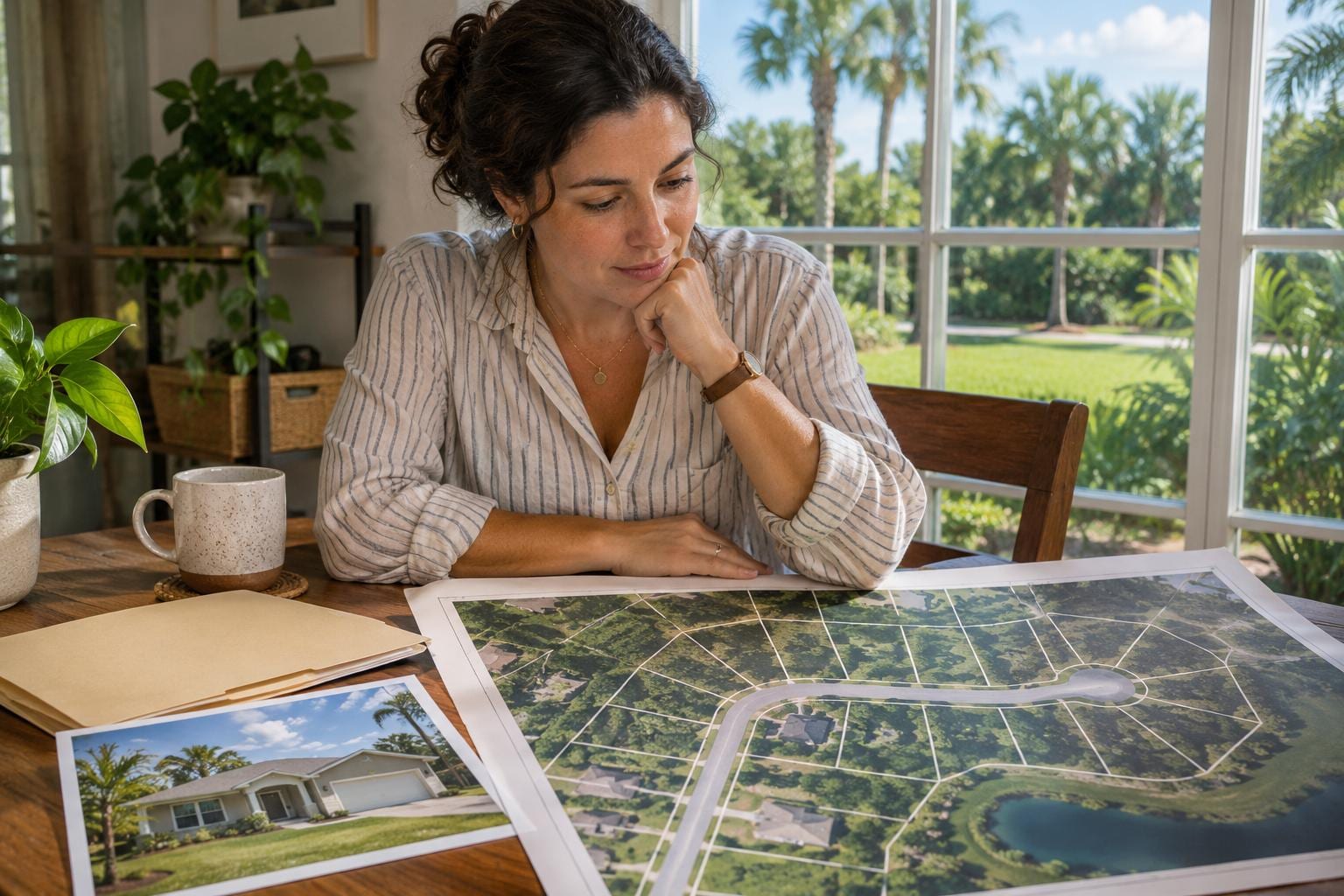
2. Which St. Augustine location fits us?A St. Augustine postal address does not settle the question of local government. Check whether a property is in the City of St. Augustine, the City of St. Augustine Beach, or unincorporated St. Johns County. Use the county’s GIS resources to investigate municipal boundaries. Then compare practical needs: grocery trips, parking, noise, outdoor space and the distance to people you expect to see. Avoid treating a neighborhood name as a guarantee of a particular lifestyle.
3. How easy will beach access be?Look up the actual public access you would use, then make the trip from the candidate home. Consider parking, crossings, bathrooms, carrying equipment and accessibility for everyone in your group. An ocean nearby on a map is different from a comfortable door-to-sand routine. Test a normal outing rather than assuming you will walk everywhere. Ask how weather, busy weekends and the needs of children or older relatives would change that plan.
|
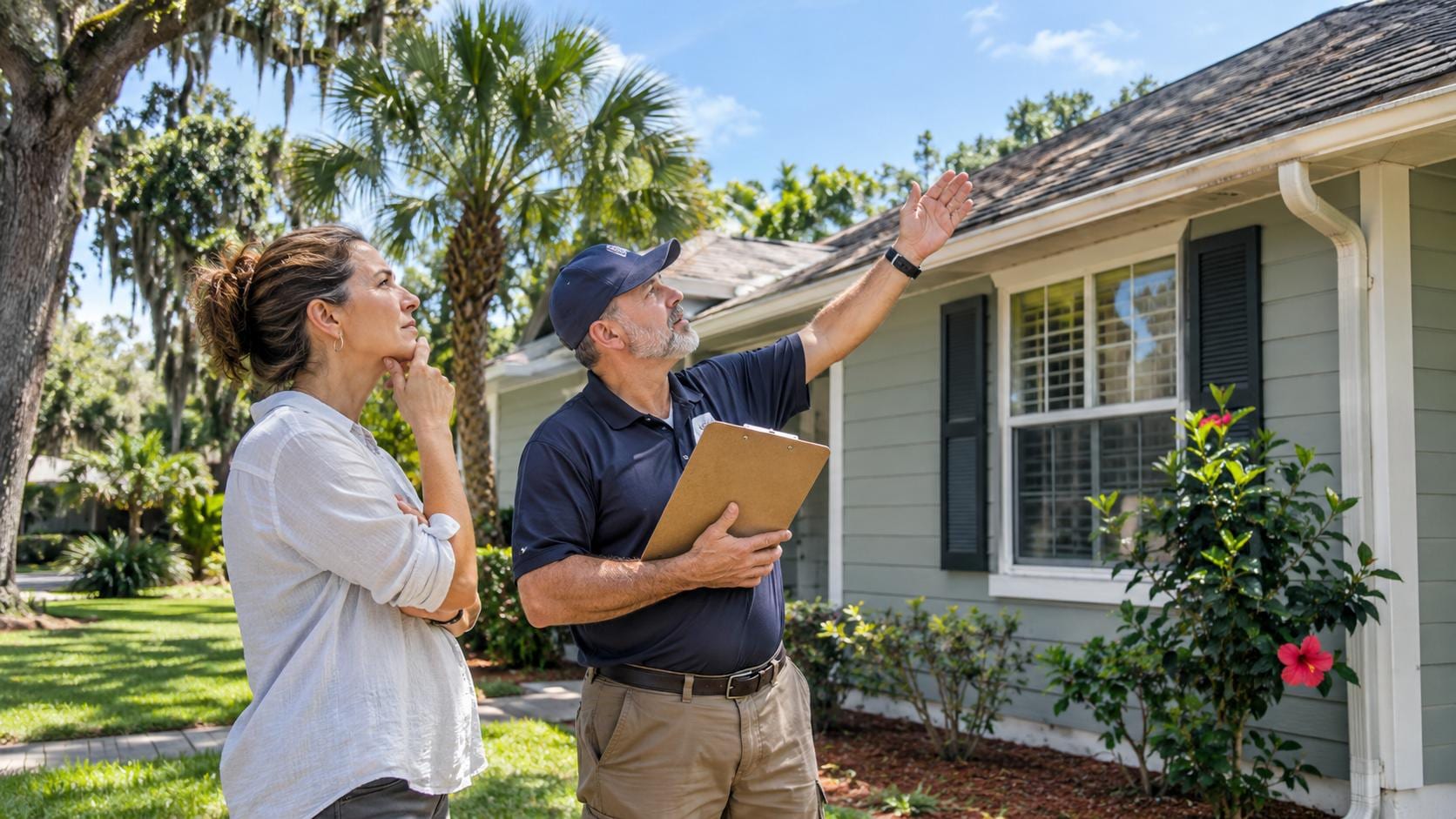 |
4. Will the climate suit our daily routine?Evaluate more than your favorite vacation month. Think about outdoor errands, cooling costs, humidity, shade and the effort involved in maintaining outdoor spaces. During a scouting trip, spend part of a day doing ordinary tasks instead of moving between attractions. Ask the property inspector about the condition of systems that affect indoor comfort. If you are comparing an older home with newer construction, investigate the actual building rather than assuming age alone predicts comfort or operating expense.
5. What should we know about storms and flooding?Look up both evacuation information and flood information for the exact property. They answer different questions: evacuation planning concerns when and where to leave; flood information helps investigate water hazards. The county’s Floodplain Facts and Emergency Management pages are useful starting points. Ask qualified professionals about property-specific exposure and coverage. Include transport, pets, medications and a destination in your household plan. No neighborhood description substitutes for that address-level work.
6. How do we check the schools?Use the St. Johns County School District attendance-zone information for the intended school year and exact address. Do not rely solely on a property advertisement or the nearest campus. Ask the district about enrollment documents, transportation, grade-specific arrangements and programs important to your child. Families with younger children should also investigate childcare separately. A school’s reputation is only one part of the decision; the daily trip and the student’s particular needs matter too.
|
 |
7. What will traffic and commuting feel like?Drive the routes that will shape your week at the times you expect to use them. Test work, school, grocery, healthcare and return trips. If your work is in Jacksonville, measure the complete journey from the driveway rather than quoting a distance between city centers. Try an alternative route and consider how an evening event or bridge crossing changes the experience. Remote workers should test dependable internet service and the home’s practical workspace before assuming the commute question disappears.
8. Does the move fit our work and income?Separate the appeal of living here from the evidence that your income plan works. Confirm remote-work permission with your employer, investigate actual openings if you need a local job, and check licensing or business requirements for your occupation. A self-employed household should consider workspace, deliveries, customer access and any rules affecting home-based activity. Retirees can make the same exercise about predictable income and desired spending. Use documented figures, with a buffer for transition costs and delays.
9. Can we arrange the healthcare we need?Identify the clinicians and services you use regularly, then confirm availability, exact locations, insurance participation and new-patient arrangements directly. A nearby hospital does not establish that a particular specialist is available or covered. Plan the transfer of records and discuss prescription continuity with your existing clinicians before moving. Check travel time to appointments you expect to keep frequently. For a household supporting an older relative, include transportation and assistance needs in the comparison rather than leaving care logistics until arrival.
10. Who provides utilities and essential services?Identify water, sewer or septic, electricity, waste collection and internet for the actual property. The St. Johns County Utility Department is a starting point for county utility questions, but verify the provider serving your address. Ask about account setup, deposits, billing and connection timing. Buyers should have relevant systems evaluated through their inspection process. Renters need written clarity about which services are included and which must be opened in their own names.
|
 |
4. Will the climate suit our daily routine?Evaluate more than your favorite vacation month. Consider outdoor errands, cooling costs, humidity, shade, and the effort of maintaining outdoor spaces. During a scouting trip, spend part of a day doing ordinary tasks instead of moving between attractions. Ask the property inspector about the condition of systems that affect indoor comfort. If you are comparing an older home with newer construction, investigate the actual building rather than assuming age alone predicts comfort or operating expense.
5. What should we know about storms and flooding?Look up both evacuation information and flood information for the exact property. They answer different questions: evacuation planning concerns when and where to leave; flood information helps investigate water hazards. The county’s Floodplain Facts and Emergency Management pages are useful starting points. Ask qualified professionals about property-specific exposure and coverage. Include transport, pets, medications, and a destination in your household plan. No neighborhood description substitutes for that address-level work.
6. How do we check the schools?Use the St. Johns County School District attendance-zone information for the intended school year and exact address. Do not rely solely on a property advertisement or the nearest campus. Ask the district about enrollment documents, transportation, grade-specific arrangements, and programs important to your child. Families with younger children should also investigate childcare separately. A school's reputation is only one part of the decision; the daily trip and the student's particular needs matter too.
|
Quote of the Day |
"Change is hard at first, messy in the middle, and gorgeous at the end."
-- Robin S. Sharma (1964-- ) Humanitarian. Bestselling Author. Leadership Authority
The Monk Who Sold His Ferrari: A Fable About Fulfilling Your Dreams and Reaching Your Destiny
|
 Retired neighbors tend raised garden beds together, illustrating how shared interests and regular activities can build community ties. AI illustration. |
0 Comments
Join the conversation
Be the first to comment
Share your thoughts above.