
Beyond Festival Weekend: Discovering St. Augustine’s Greek Heritage |
The October 17–18 program offers a starting point for learning about food, faith and the community’s longer story |
 |
The October 17–18, 2026, Greek Festival dates have passed. The useful next step is not another invitation to a weekend that is over, but a closer look at the community behind it. The organizer’s published program connected food, music, shopping and Holy Trinity Greek Orthodox Church. Downtown, the separate Saint Photios Greek Orthodox National Shrine provides a year-round historical starting point. This is a guide based on those institutions’ information, not an eyewitness account of attendance, performances or how the festival unfolded.
Keep the festival dates in the pastThe organizer advertised the rescheduled festival for October 17 and 18 at Holy Trinity Greek Orthodox Church, 2940 County Road 214, St. Augustine, FL 32084. Those dates identify the program we are discussing; they are not a current operating schedule or an announcement of next year’s event. Preserve that distinction when sharing an old listing with friends. A page can remain online after its dates expire. For a future festival, wait for an explicit organizer announcement rather than assuming the same weekend, menu, admission arrangements or parking plan will return unchanged.
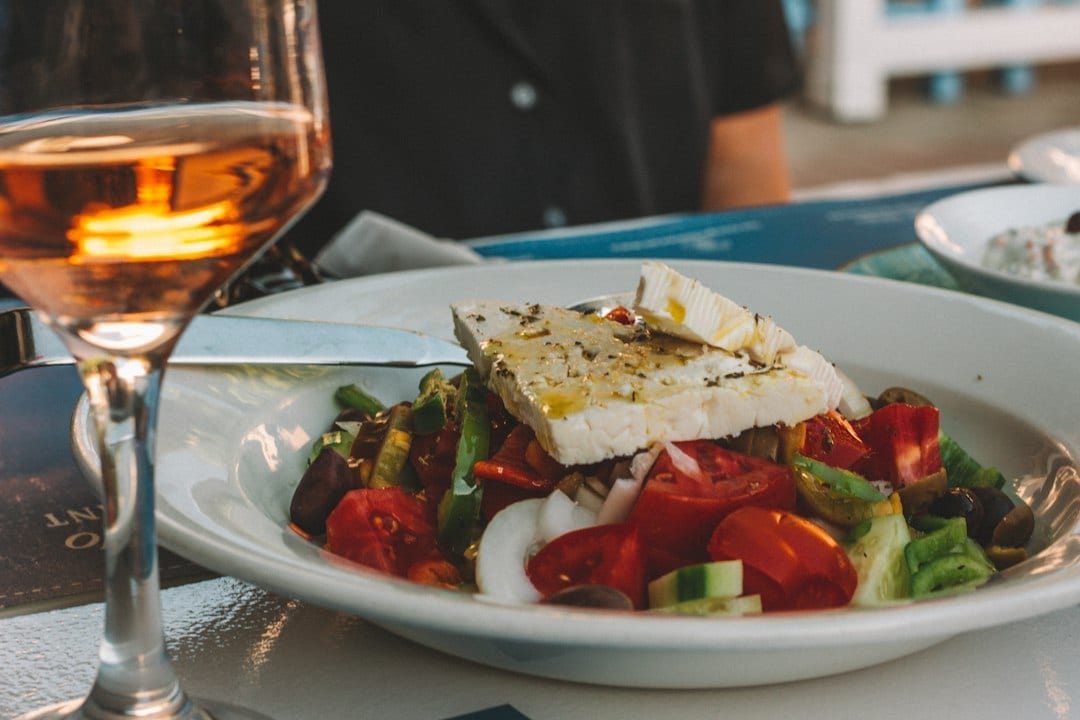
Let a menu become a set of questionsThe published festival menu included moussaka, pastitsio, souvlaki, lamb, spanakopita and pastries such as baklava. That range offers more than a generic label of “Greek food.” A curious reader can choose one unfamiliar name to investigate through the organizer or a reliable culinary source. Ask what distinguishes the preparation and what ingredients matter to your own needs. Do not assume every version of a familiar dish is identical. A menu can introduce a tradition while leaving room for family, regional and personal differences that a short community guide should not flatten.
Notice the different parts of the programThe organizer described a Kafenio, an Agora, a gift shop and bookstore, and pastries to take home. Those terms suggest different ways people could engage with the announced event: a drink, a purchase, a meal or a cultural conversation. They do not establish what any individual visitor actually experienced. If you attended, describe the part you encountered rather than claiming to speak for the whole weekend. If you did not, use the published program as a prompt to learn, not as evidence that you personally tasted or saw something there.
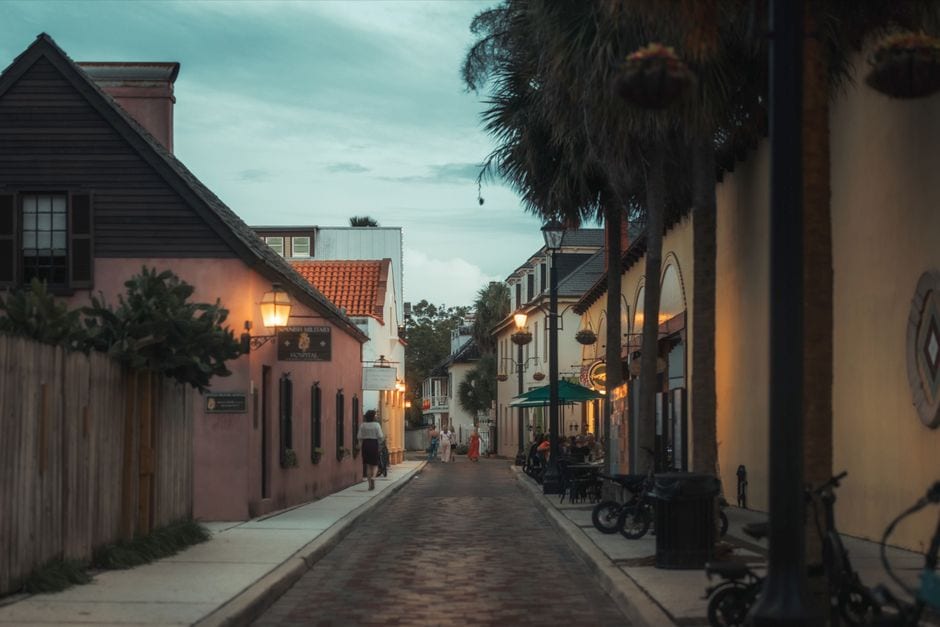
Meet a separate downtown institutionSaint Photios Greek Orthodox National Shrine describes its mission as interpreting the first colony of Greek people who came to America in 1768 and the development of the Greek Orthodox Church in America. Its exhibits and chapel offer a different setting from a festival at a parish. Do not treat the two organizations as interchangeable or assume one’s event schedule applies to the other. Start with the shrine’s own history and visitor information. A useful follow-up to a food-centered discovery is an opportunity to understand migration, memory and the institutions that preserve a community’s account of itself.
Give the chapel and museum their own courtesyA religious and historical site calls for a different approach from an outdoor food event. Read the institution’s visitor guidance and ask about photography, group arrangements and access needs. Keep your behavior appropriate to the space and the people using it. A person can be curious about art, architecture or history without sharing the faith tradition, but respectful questions matter. Do not assume every area is open because an entrance is visible from a busy shopping street. Let the institution explain how to engage with the place rather than treating it as another decorative stop.
|
 |
Distinguish a first discovery from expertiseA new flavor or a short museum visit can open a worthwhile conversation. It does not make someone an authority on a whole culture. When sharing what you learned, identify the institution or person who explained it and keep uncertainty visible. Ask follow-up questions rather than supplying an attractive answer from memory. For families, let each person choose one detail to investigate. That approach gives children and adults room to be learners together. The value lies in a more specific understanding of our community, not in quickly claiming that one outing explains it all.
Consider the work behind public hospitalityAn advertised program requires planning, food preparation, communication and coordination. Readers interested in supporting future events can ask the organizer how help is requested and what commitments apply. Do not assume volunteer roles exist or arrive expecting to take one. Ask about training, timing, eligibility and the actual work. If a contribution or purchase interests you, use the organization’s own channels and confirm the terms. Supporting a community institution can mean returning, learning, recommending responsibly or helping when invited. It need not begin with a large promise or an invented account of an organization’s needs.
Keep the practical details tied to their dateThe 2026 festival advertised a particular parking and shuttle arrangement and a dogs policy. Those details belonged to that event, not to every church visit or future program. Likewise, the shrine’s visitor hours do not establish a festival schedule. Before your next visit, check the specific institution’s current information. If food allergies or access requirements affect participation, ask the responsible team directly. A historical article can preserve an announced program while still making clear that a reader must not use it as a present-day booking confirmation.
Plan one thoughtful follow-upChoose a manageable next step: read the shrine’s history, ask about a museum visit, learn the difference between two dishes, or follow the festival organizer for its next announcement. If you attended in October, write down the name of something you would like to understand better. If you missed it, a year-round institution can offer another way into the subject. Avoid making every discovery into a spending itinerary. A careful question and a return visit can create a stronger connection than rushing to collect an experience for a photograph.
Recap: let the story continue after the eventThe festival’s published program is one doorway into Saint Augustine’s Greek community; the shrine’s historical work is another. Keep the institutions and dates distinct, respect the settings, and let an unfamiliar food or exhibit lead to a better question. The October dates are past, but the opportunity to learn about neighbors and local history remains. What did you discover, or what would you like us to investigate next? Share a specific dish, institution or question, and help us build coverage that continues beyond a single weekend.
2026 festival program · Published festival menu · Saint Photios National Shrine
|
Keep exploring with usHave a firsthand tip or a correction for this topic? Share the specific detail and its source so another First Coast neighbor can benefit.
Talk soon,
Bill Marks
Reporting and official reference pages reviewed October 20, 2026. Recheck operating details and date-sensitive notices before visiting. |
Quote of the Day |
“There is no excellent beauty that hath not some strangeness in the proportion.” — Francis Bacon |
0 Comments
Join the conversation
Be the first to comment
Share your thoughts above.