
Bill Marks
Coast & Home First Coast
Monday, October 19, 2026
A fresh week, a deeper look at the Ancient City
Hey there!
A fresh week is a good reason to look again at a place you think you know. This Monday, we’re exploring the stone that helped protect St. Augustine, a museum that brings Lincolnville’s stories into focus, and a practical beach-access detail to check before heading toward the coast.
Today’s First Coast Trivia In what year did the Spanish begin building the Castillo de San Marcos? Keep your answer in mind—we’ll reveal it below.
Look at the Castillo with a builder’s eye 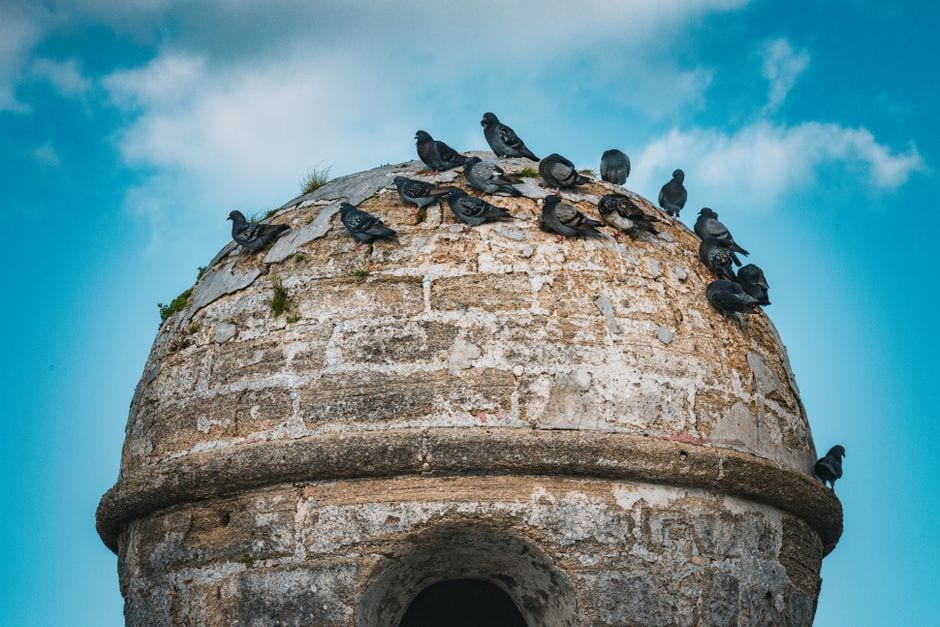 Castillo de San Marcos in Saint Augustine. Photo by Brent Singleton on Pexels.
The Castillo’s familiar walls have an unusual story inside them. Their coquina—a porous limestone formed from shell fragments—helped absorb the shock of cannon fire instead of shattering. The stone was quarried in the area of today’s Anastasia State Park. On your next visit or bayfront walk, give that material a closer look through the park’s interpretation. A question about the walls can open a conversation about the labor, skills, and coastal landscape behind the fortress.
Let Lincolnville’s history lead the visit Lincolnville Museum and Cultural Center offers a way to deepen your understanding of Saint Augustine’s Black history. Start with the museum’s interpretation, then carry what you learn into how you see the surrounding neighborhood. Its posted Monday hours are 1–4:30 PM; Tuesday through Saturday begins earlier, at 10:30 AM. Confirm the current schedule before leaving, and choose one question you would like the visit to help answer. A thoughtful museum stop deserves its own time rather than the leftover minutes of a busy outing.
A beach day needs a current access check Planning time near the St. Johns County Ocean and Fishing Pier? The county’s repair notice anticipates construction continuing through the end of November 2026. The northern beach access is closed during the work; use the south entrance and follow posted directions. Access beneath the pier is restricted, and minor parking impacts may affect the pavilion area. Check the county’s latest beach information before departure. A favorite coastal routine can still work better when everyone knows where to arrive and which areas to avoid.
Your trivia answer 1672. That is when the Spanish began construction of the Castillo de San Marcos; the first construction phase was completed in 1695. Read the National Park Service account.
What familiar First Coast place deserves a closer look—or what useful detail have we missed? Hit reply with your suggestion so we can help another neighbor discover it.
Talk soon,
Bill Marks
P.S. Pick one place to see with fresh eyes this week—and invite someone who would enjoy the discovery with you. |
Quote Of The Day |
St. Augustine connection: Hurston lived in St. Augustine in 1942, the year her autobiography, Dust Tracks on a Road, was published. |
St. Augustine Interesting Facts |
|